PREVIOUS
EUCCS Set to Transform Cross-Border Public Safety Communications Across Europe



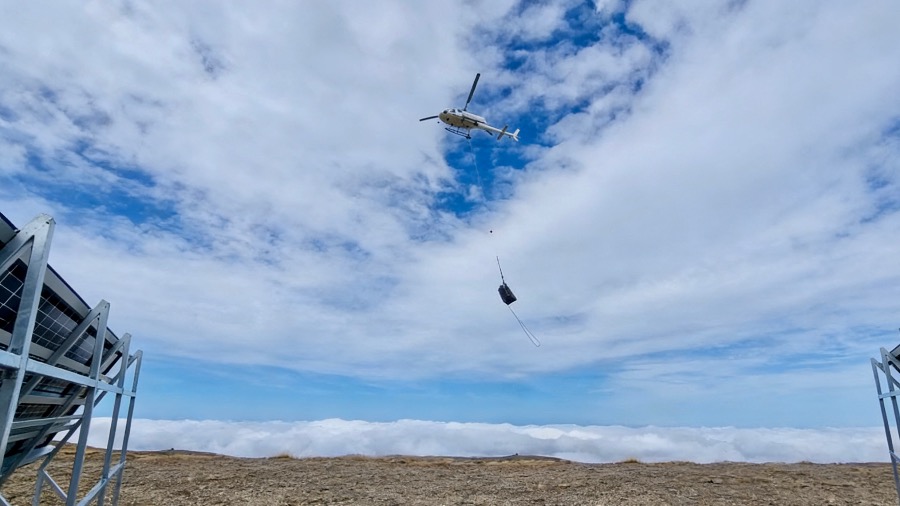
Tait Systems New Zealand has commenced detailed planning and design activities to support the continued expansion and resilience of its telecommunications network, reinforcing its commitment to efficient infrastructure deployment and long-term service reliability.
As part of its site development strategy, TSNZ prioritizes co-location wherever feasible, integrating new equipment into existing telecommunications sites. This approach maximizes the use of established infrastructure, reduces environmental impact, and accelerates deployment timelines. When co-locating, TSNZ’s site design team works in close coordination with tower owners to ensure seamless integration, carefully assessing antenna height requirements, structural loading capacities, and the availability of physical space on towers, poles, and within existing lease areas.
In locations where co-location is not viable, TSNZ develops new standalone facilities tailored to site-specific conditions. The design of these sites is influenced by several factors, including whether the location is rural, urban, or off-grid and powered by renewable energy such as solar. Each environment presents distinct technical and operational requirements, from access and power availability to maintenance and resilience considerations.
While standardized site designs are often applied to standalone builds to streamline delivery, TSNZ also conducts detailed assessments of local conditions. These include soil quality, environmental and climatic risks, and unique regional challenges, such as the need for wildlife-resilient infrastructure in certain areas.
Throughout the planning and design process, TSNZ maintains active engagement with key stakeholders, ensuring transparent communication and incorporating feedback where appropriate. This collaborative approach supports regulatory compliance, operational efficiency, and the delivery of robust telecommunications infrastructure that meets current and future connectivity demands.