PREVIOUS
Airbus Demonstrates Next-Gen Mission-Critical Communications for Precision Aerial Firefighting



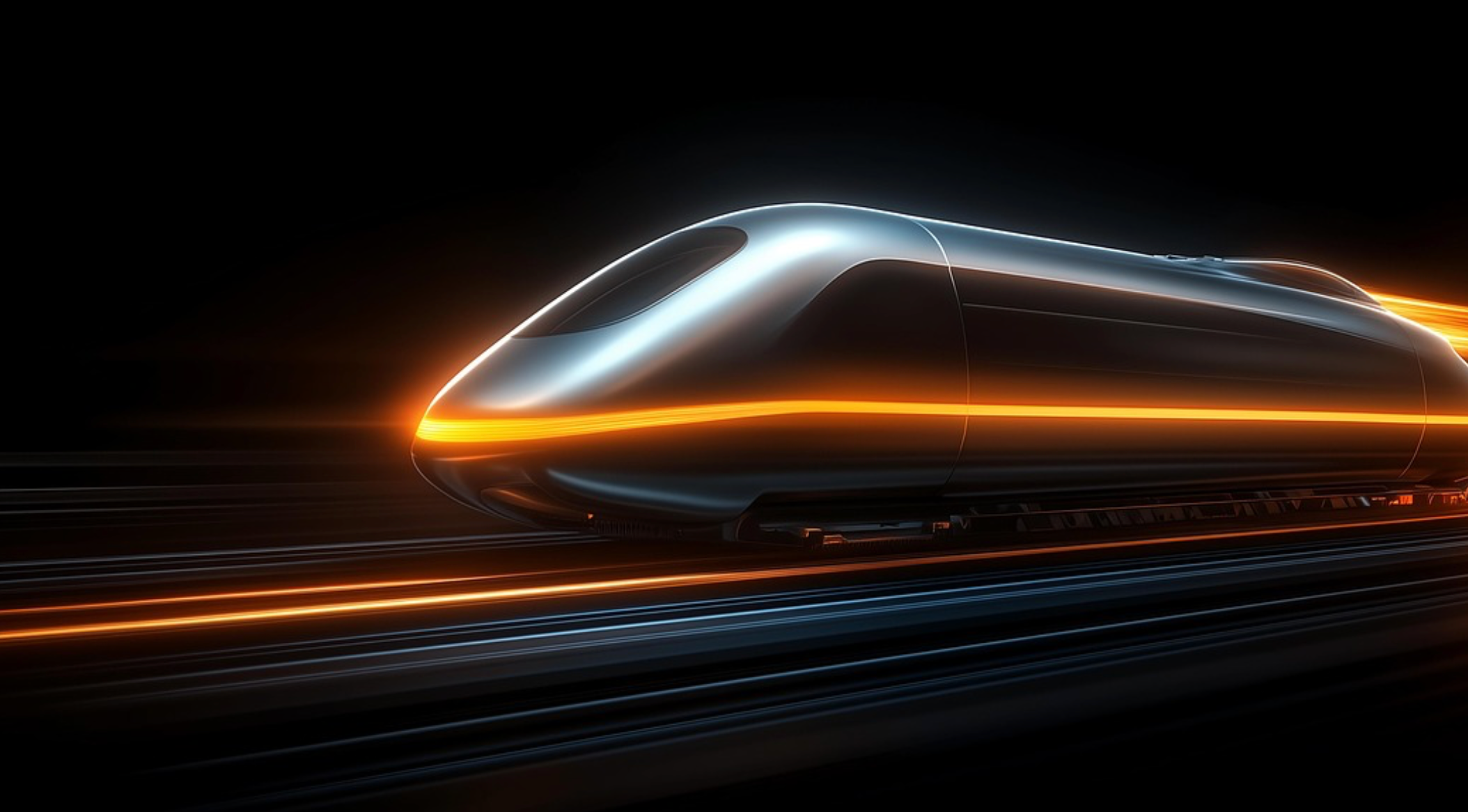
Nokia has successfully completed the world’s first live 5G call over a 1900 MHz (n101) radio network on an operational railway test track in collaboration with Deutsche Bahn. The milestone represents a major step forward in the rail industry’s transition from legacy GSM-R systems to the Future Railway Mobile Communication System (FRMCS).
The achievement demonstrates the readiness of Nokia’s 5G technology to support next-generation, mission-critical railway communications. FRMCS is set to become the global standard for railway communications, enabling secure, high-reliability connectivity between trains and infrastructure while supporting automation, digitalisation, and cross-border interoperability.
The live deployment was conducted at Deutsche Bahn’s digital railway test field in the Ore Mountains, Germany, using Nokia’s AirScale radio portfolio and a 5G standalone (SA) core network. The trial builds on earlier pre-FRMCS testing and will contribute to ongoing validation activities under Europe’s FP2-MORANE-2 project.
Christian Schwass, Solution Manager at Nokia, highlighted the architectural shift:“FRMCS introduces a flexible, future-ready framework by separating transport and service layers. Unlike GSM-R, which is tied to 2G technology, FRMCS supports multi-radio environments including 4G, 5G and future 6G, enabling scalable and software-driven innovation for railway operations.”
The initial testing phase validated core network functionality, including seamless handovers, consistent coverage, and end-to-end connectivity. The successful completion of the first live call in December 2025 marked a critical milestone following extensive lab validation and R&D efforts.
Operating in a real-world railway environment provided key insights beyond controlled lab conditions, confirming system stability, reliability, and uninterrupted performance across the full test track.
The next phase of testing will focus on performance benchmarking, including latency, throughput, and quality of service, to ensure the network meets the stringent requirements of mission-critical railway operations.
Nokia’s solution is designed to support a smooth migration from GSM-R to FRMCS through strategic coexistence, allowing operators to transition without service disruption. The successful proof of concept (PoC) demonstrates that FRMCS-ready infrastructure can already be deployed and evolved through software upgrades as final standards are completed.
This milestone provides the rail industry with tangible evidence that next-generation communication systems are not only viable but ready for early adoption, accelerating the path toward fully digital, connected rail networks.